Is AI the end of ART, or is ART just evolving into a new form?
So my friend Sanjana wrote this piece about AI and art, asking "Is AI making our world better, or is it quietly eroding the things that make us feel unique?" and honestly, it's something i wanted to talk about for a while now...
She makes some solid points about how "Art has always been personal—a means for humans to express love, pain, curiosity, or hope" and questions whether "something created by a machine ever carry such weight?" But the more I think about it, the more I feel like we might be approaching this whole thing from the wrong angle.
What Actually Counts as Art?
Oxford says art is "the use of the imagination to express ideas or feelings, particularly in painting, drawing or sculpture." Cool, but my definition is way simpler - art is anything that makes you stop and feel something. Could be a song that hits just right, a movie scene that sticks with you, or even a really clever meme that makes you laugh.
I've been moved by stuff that definitely wasn't hanging in a gallery. Sometimes it's just about the moment, not the medium. I have a instagram page where i post some photos i took from my camera and which are the definition of art to me , i have talked about it on my previous blog ....
The Whole Evolution Thing
Sanjana talks about how "Human-made art is charged with layers of experience: a memory of a lost loved one, a struggle against injustice, or simply the joy of seeing sunlight reflect on water." She's absolutely right about that emotional weight being important. But then she mentions how "Most AI art tends to be uncanny: too perfect, too symmetrical, too much like an echo rather than a voice."
Here's where I think differently—every new art form goes through this phase. When photography showed up, painters probably said the same thing. "It's too mechanical, where's the human touch?" Now we don't question whether photographers are artists.
It's All About the Story
What really stuck with me from Sanjana's piece is when she says "Many people still crave a backstory—an artist with hopes and flaws, a life lived" and that "AI-generated pictures sometimes feel like photographs of emotions, not the actual feelings themselves."
She's hitting on something real here. We don't just want pretty things—we want to connect with the person behind them. But maybe that story doesn't have to end with someone holding a paintbrush. Maybe it's about someone spending weeks figuring out how to make AI understand their vision, iterating through hundreds of attempts to get something that captures what they're feeling.
The Collaboration Angle
Sanjana mentions how "Some artists now use AI as a creative partner" and that "The results can be genuinely exciting: hybrids of human imagination and technological possibility." This is where I think things get interesting. It's not about AI replacing human creativity - it's about expanding what's possible.
When she says "Human art is messy, contradictory, and unpredictable - qualities that algorithms struggle to reproduce," I think she's right about current AI. But humans working with AI? That combo can be just as messy and unpredictable as anything else.
People's Real Reactions
Something that caught my attention in her piece is how "studies show that when people judge artworks without knowing where they came from, AI images are sometimes preferred for their aesthetic qualities" but "when viewers learn that an image was made by a computer, many admit to feeling a disconnect."
This is wild to me. If something moves you before you know how it was made, why should the method change that feeling? It's like finding out your favorite song was recorded digitally instead of on analog equipment - the song didn't change, just your perception of it.
How We Got Here (And Where We're Going)
Looking back, it's crazy how fast this whole AI art thing evolved. Like, a few years ago, if you wanted AI to make something artistic, you'd get these weird, distorted nightmare fuel images that looked like someone melted a photo.
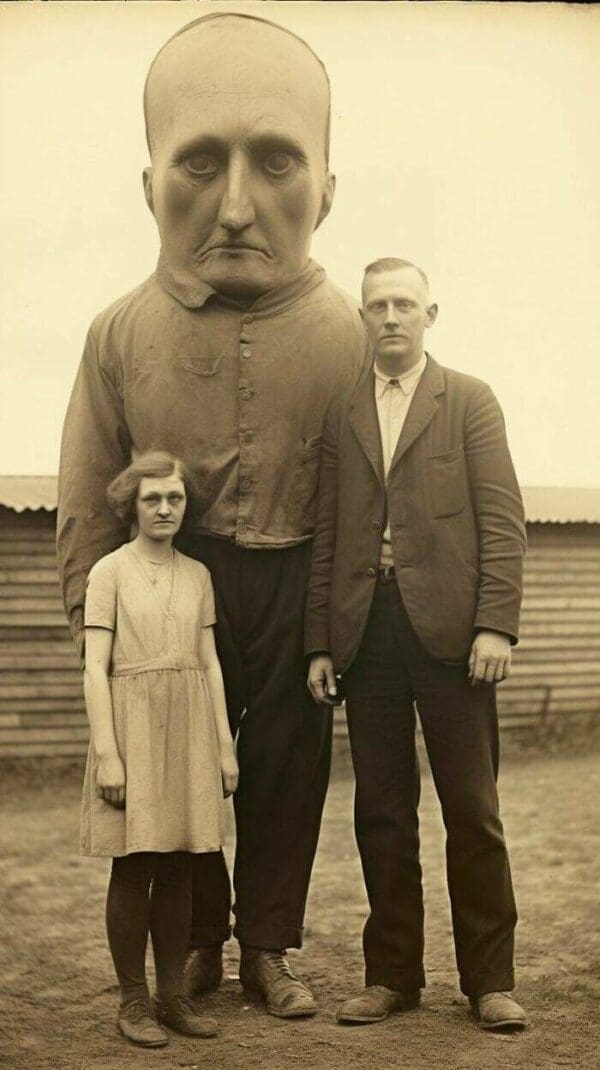
Early AI-generated art: surreal, uncanny, and a bit unsettling
Remember those early deepfake fails? Yeah, not exactly gallery material.
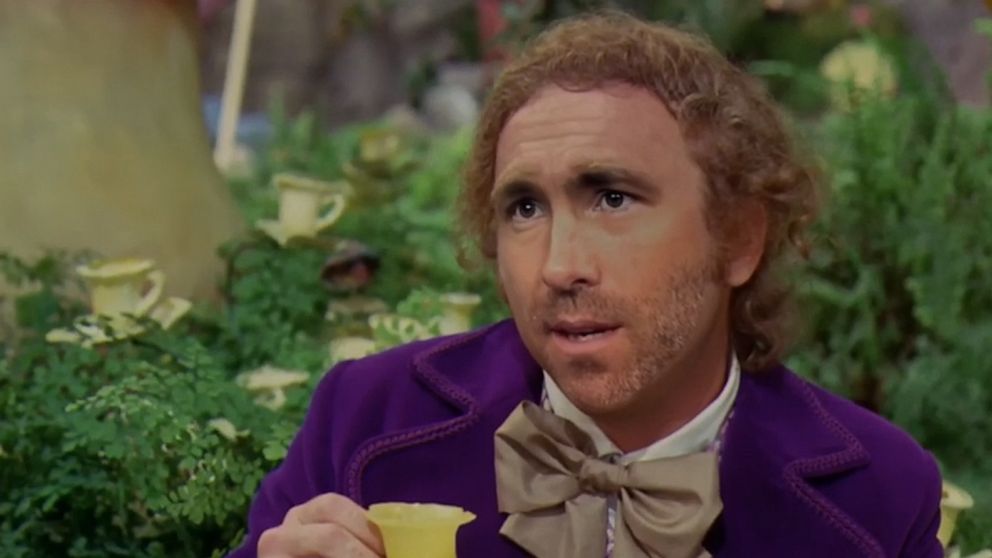
Early deepfake attempts - not exactly gallery material
Then around 2021, things started getting interesting. DALL-E showed up and suddenly people could type "a cat wearing a astronaut helmet in space"
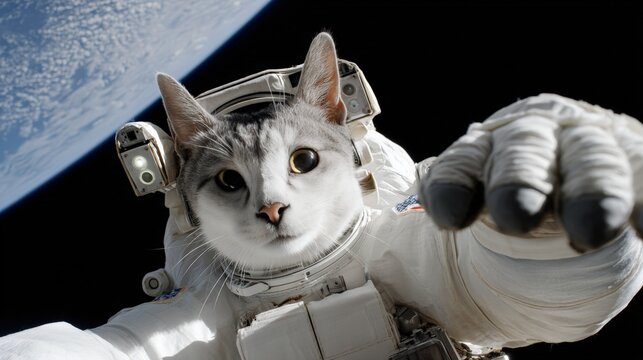
DALL-E's early attempts at creative prompts
and get something that actually looked decent. But it was still pretty limited - you had to get on a waitlist, the images were tiny, and honestly, most of them still had that "AI generated" vibe.
Fast forward to 2022 and boom - Midjourney, Stable Diffusion, and DALL-E 2 all hit the scene. Suddenly everyone and their mom was creating these insanely detailed, almost photo-realistic images. I remember scrolling through Twitter and seeing art that made me do a double-take, only to find out it was made in like 30 seconds with a text prompt.
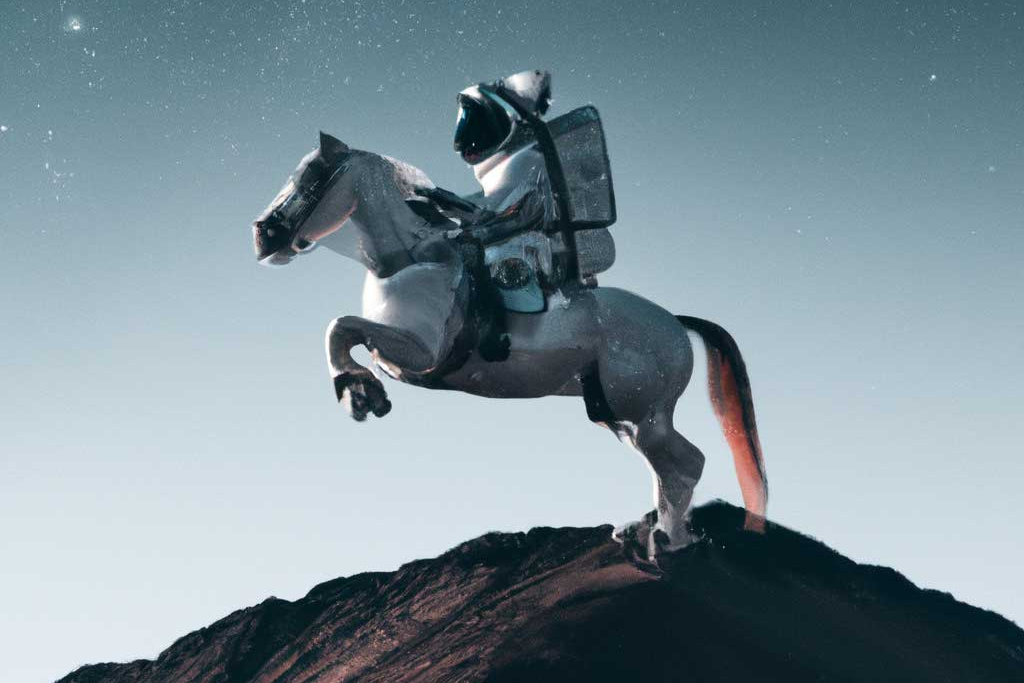
The quality leap with DALL-E 2 in 2022
Now we're at a point where the quality is so good that sometimes you literally can't tell the difference. And the tools keep getting better - we've got video generation, 3D models, music composition, the whole deal.
But here's what I think the future looks like: it's not going to be about AI vs humans anymore. It's going to be about new kinds of artists who understand both the human side and the tech side. People who can take their personal experiences and translate them through these tools in ways we haven't seen before. Think less "robot replacement" and more "new paintbrush."
My Honest Take
I'm not trying to argue that AI art is better than human art or anything like that. What Sanjana says about human experience and emotion bringing something irreplaceable to art is completely valid. Van Gogh's story absolutely makes "Starry Night" more powerful.

Van Gogh's Starry Night - a masterpiece of human emotion and experience
But I think art is bigger than any one method. If something makes you think, feel, or see the world differently, that matters regardless of how it was created. When Sanjana asks "Will the future of creativity be a blend of human passion and machine skill, or will people cling to art as a distinctly human realm?" I say why not both?
Some people will always want that purely human connection, and that's great. Others will be open to new forms of expression. And some will find ways to blend everything together in ways we haven't even imagined yet.

Michelangelo's Creation of Adam - representing the timeless power of human artistic expression
Bottom Line
Art isn't disappearing—it's just getting more options. And honestly, in a world where more people than ever can create and share their ideas, that feels pretty exciting to me.
Anyway, that's my take. Art's evolving, and I'm here for it.
Peace out, Udaysinh
Credits : Sanjana
P.S. - Sanjana, you really made me overthink this at 2 AM. Thanks for that.
P.P.S. - Who knows, maybe this blog is AI written, but it's not I promise.
💬 Join the Discussion
Share your thoughts, ask questions, or start a conversation below!